


Paper Princess's Fantasy Life
3.7461.00 Reviews
App Specs
- Version
- 1.3.9
- Updated On
- License
- Free
- Downloads
- 10,000,000+
- Developer
- Libii HK Limited
- Categories
- Educational
- Platform
- Android, iOS
Screenshots

 Analysis by AppCompare
I judge a children’s game not only by whether it looks inviting, but by whether its play style suits the child who will actually use it. Paper Princess's Fantasy Life is an educational game from Libii HK Limited, built around a storybook-like fantasy setting. Its appeal seems to be less about mastering a demanding challenge and more about spending time in a colorful world. That makes it worth considering for a relaxed play session, while also making it important to set realistic expectations about what kind of game it is.
What the purchase details mean for families
The game is free to download, and its age rating is Everyone. It also offers in-app purchases priced from $0.99 to $5.99 per item, so I would treat “free” as the starting cost rather than an assurance that every possible item or option comes at no charge. If a child will be playing, I’d check the device’s purchase controls beforehand and agree on a simple rule: ask an adult before buying anything. That practical step matters more than guessing how often the game presents paid choices.
Paper Princess has a 4.0 average from around 19,000 ratings, with about 435 written reviews and over 10 million installs. Those figures suggest that many people have tried it, but they don’t tell me whether a particular child will enjoy its pace or tolerate its purchase prompts. The sensible approach is to try the free experience together first, then decide whether it earns a place in a regular routine.
Play at a child-friendly pace
The fantasy presentation points toward a gentle kind of engagement: exploring, dressing up a character, and responding to small activities rather than competing against other players. That can work well when a child wants to make choices and invent a little story without needing to learn complicated controls. I would not present it as a structured lesson simply because it is listed as educational; the value here is more likely to come from imaginative play, attention to visual details, and making personal choices.
One useful way to get more from a short session is to give it a small imaginative prompt. A child might choose an outfit for a pretend celebration, then explain why it fits the occasion, or describe what they think a character in the fantasy setting might need. This turns screen time into a shared conversation without requiring the game itself to provide a formal teaching plan. It also gives a parent a natural stopping point: finish the little story, put the device away, and move on.
Spending, fairness, and what remains unclear
The purchase range is clear, but the practical effect of spending is not something I would assume. I can’t tell from the confirmed details whether paid items are purely decorative, unlock additional activities, or change how quickly a player can access content. So I would avoid promising a child that the free version includes every outfit or experience, and I would avoid assuming that paying is necessary to enjoy the game. Start without spending, see what the child actually wants to do, and make any purchase decision together.
Likewise, I wouldn’t describe this as competitive or pay-to-win: there is no confirmed multiplayer or ranking setup to judge fairness against other players. The useful family question is simpler: does the free play feel satisfying, and are any optional purchases worth the specific thing your child wants? If the child becomes frustrated by a locked choice or repeatedly asks to buy extras, that is a good sign to pause rather than spend just to keep the session moving.
Worth Reading Before You Choose

EA SPORTS FC Mobile 26 Is a Bigger Football Game, but It Takes Time

Flipboard Shows What News Apps Must Do Beyond the Feed

Switching to Android Auto Means Rethinking Your Driving Routine

Google Calendar Makes a Crowded Week Easier to Manage

Ludo King Makes the Most of the Minutes Between Plans

Baby Panda World Brings Quick Play to Modern Phones, but Its Game Library Feels Busy
A World of Enchantment Awaits
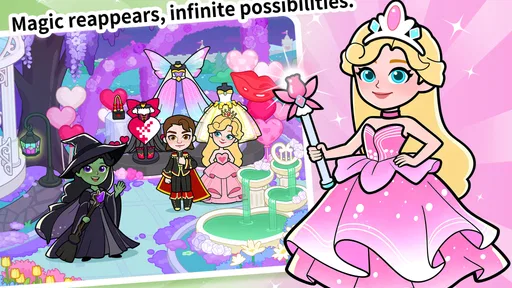
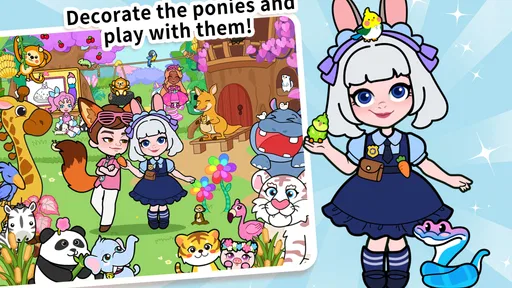
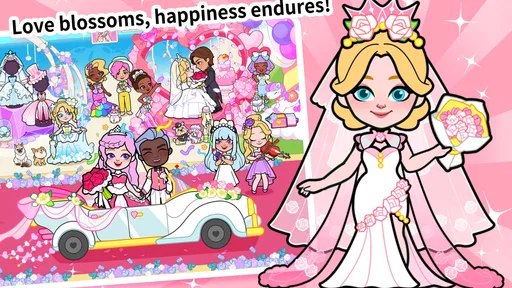
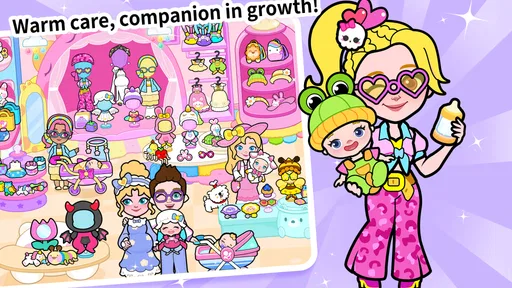
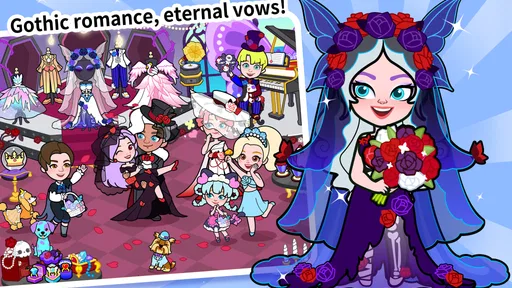
From the moment you open Paper Princess's Fantasy Life, you're greeted with a burst of vibrant colors and charming graphics. The art style is reminiscent of a beautifully illustrated storybook, and it instantly draws you in. The premise is simple yet engaging: you get to explore a fantasy kingdom, complete with magical creatures and delightful adventures.
Gameplay That Keeps You Hooked
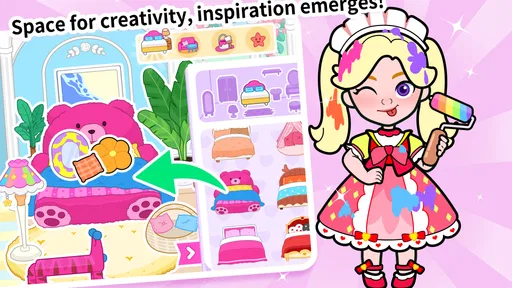
What I love about this app is the balance between exploration and creativity. You can customize your paper princess with a variety of outfits and accessories, making each adventure unique. As you navigate through the kingdom, you'll encounter various challenges and puzzles that are both entertaining and thought-provoking.
The app doesn't just stop at exploration; it encourages you to engage with the environment. Whether you're collecting magical items or interacting with whimsical characters, there's always something new to discover. I found myself spending hours just wandering around and appreciating the intricate details.
Soundtrack of a Dream
No fantasy world is complete without an enchanting soundtrack, and this app delivers just that. The music is soothing, perfectly complementing the serene yet adventurous vibe of the game. It adds an extra layer of immersion, making you feel like you're truly part of this magical realm.
A small but useful test is to play with the sound on once, then try a brief session with it lowered or muted if the setting makes that practical. Music can help a fantasy scene feel cohesive, but a child may also want to play in a quiet room, during a family visit, or while waiting somewhere. If the visual activities remain enjoyable without the soundtrack, the game is easier to fit into those moments; if the music is part of the appeal, headphones and a sensible volume can make a calmer setup.
Intuitive Interface for Seamless Play
The user interface is intuitive and user-friendly, which I consider a huge plus. Navigating through the kingdom, accessing your inventory, and customizing your character are all straightforward. It's evident that the developers put a lot of thought into making the experience as smooth as possible, ensuring players of all ages can enjoy it.
For a first session, I’d let the child explore the controls rather than taking over to optimize every choice. A quick, shared tour of the character options and inventory can prevent the common frustration of tapping around without knowing where an item went. After that, stepping back gives the child room to make choices independently. This works particularly well for younger players who enjoy dressing up characters but still benefit from an adult nearby when purchases or device settings are involved.
How it fits beside other children’s games
Compared with a tightly structured educational game that teaches a defined skill through lessons, this title appears better suited to open-ended pretend play. Compared with a dress-up-only app, the fantasy kingdom and its exploration give the character choices a setting to belong to. That mix is the reason I’d choose it for a child who likes both visual customization and a little wandering, rather than for someone who wants clear levels, measurable learning goals, or a fast-moving challenge.
It also occupies a different mood from competitive games built around scores, timers, or head-to-head play. There is no reason to choose it for social competition; its value is in a quieter, personal activity. If your child loses interest without a concrete objective, a puzzle game with explicit instructions may be a better fit. If they enjoy inventing what happens next, the softer structure can be a strength rather than a flaw.
A realistic way to use it
Imagine a child has a short wait before dinner or needs a calm activity during a rainy afternoon. I’d offer one small goal—choose an outfit, explore a little, or look for an interesting detail—then ask them to tell me what they noticed. That creates a tidy beginning and ending instead of letting the session drift on indefinitely. The game can be a pleasant filler for that kind of moment, but I wouldn’t rely on it as a babysitter or assume that an “educational” label makes unlimited screen time beneficial.
For families sharing one device, it is worth agreeing on whose turn it is and whether the child can change the character’s appearance or progress. Creative choices are part of the attraction, so constant adult correction would undercut the experience. At the same time, a quick boundary around purchases and session length keeps the game from turning a peaceful break into a negotiation.
Who is likely to enjoy it—and who may not
I’d recommend giving it a try if the player enjoys fairy-tale imagery, character styling, and poking around a setting at their own pace. The free download makes a low-commitment first test possible, and the Everyone rating makes it an option families can consider for a broad age range. The game runs on Android 6.0 or later, and its current version is 1.3.1. For a child who is drawn to imaginative scenes more than strict objectives, those basics make it an accessible candidate.
I’d skip it if the main goal is a curriculum-like learning experience, a reliably competitive game, or a deep progression system with clear milestones. It may also be a poor match for a child who becomes upset when optional content is unavailable or who needs a firm sequence of tasks to stay engaged. In those situations, a lesson-focused app, a simple offline activity, or a game with transparent goals may serve the family better.
My trust verdict
What I can judge confidently is the purchase context: the game is free to start, with optional items listed from $0.99 to $5.99. What I cannot responsibly infer is how those purchases are presented during play or exactly what each one changes, so I’d keep spending locked down until an adult has explored the experience. That distinction is important: a clear price range helps with budgeting, but it doesn’t answer every question about value or how a child will respond to optional extras.
Released on January 17, 2023, this game is best approached as a whimsical activity rather than a promise of formal instruction. I’d try the no-cost play, watch whether the child enjoys exploring and personalizing the character, and decide from that real experience whether it deserves more time. That is a more trustworthy test than relying on popularity alone.
Final Thoughts
In a world where apps are abundant, Paper Princess's Fantasy Life stands out with its unique blend of creativity, exploration, and charm. It's a delightful escape into a fantasy world where you can let your imagination run wild. Whether you're a fan of fairy tales or just looking for a relaxing pastime, this app is definitely worth checking out.
So, why not take a break from reality and dive into the enchanting world of Paper Princess's Fantasy Life? Trust me, it's an adventure you won't want to miss!
Pros
- Engaging story with rich character development.
- Vibrant graphics enhance the fantasy theme.
- Variety of customizations for characters.
- Smooth gameplay with intuitive controls.
- Frequent updates with new content.
Cons
- Occasional in-app purchase prompts.
- Some features require constant internet.
- Limited offline gameplay options.
- Minor bugs in certain game areas.
- Can be resource-heavy on older devices.
FAQs for Paper Princess's Fantasy Life
What is the main objective of Paper Princess's Fantasy Life?
Paper Princess's Fantasy Life is a simulation game where players can create and manage their own fantasy world. The main objective is to build and customize your environment, interact with various characters, and complete missions to enhance your kingdom. It focuses on creativity and strategic planning.
Is Paper Princess's Fantasy Life free to play?
Yes, Paper Princess's Fantasy Life is free to download and play on both Android and iOS platforms. However, it does offer in-app purchases for players who want to enhance their experience with additional content or speed up their progress within the game.
What age group is Paper Princess's Fantasy Life suitable for?
Paper Princess's Fantasy Life is designed for players aged 9 and up. The game features a family-friendly environment with charming graphics and simple mechanics, making it suitable for younger players while still offering engaging gameplay for older audiences.
Are there social features in Paper Princess's Fantasy Life?
Yes, Paper Princess's Fantasy Life includes social features that allow players to connect with friends. You can visit your friends’ fantasy worlds, share resources, and participate in collaborative events. This adds a community aspect to the game, enhancing the overall experience.
What are the system requirements for Paper Princess's Fantasy Life?
For Android users, Paper Princess's Fantasy Life requires Android 5.0 or later, while iOS users need iOS 9.0 or later. Both platforms require a stable internet connection to access all features. The game is optimized for a wide range of devices but performs best on those with higher specifications.


